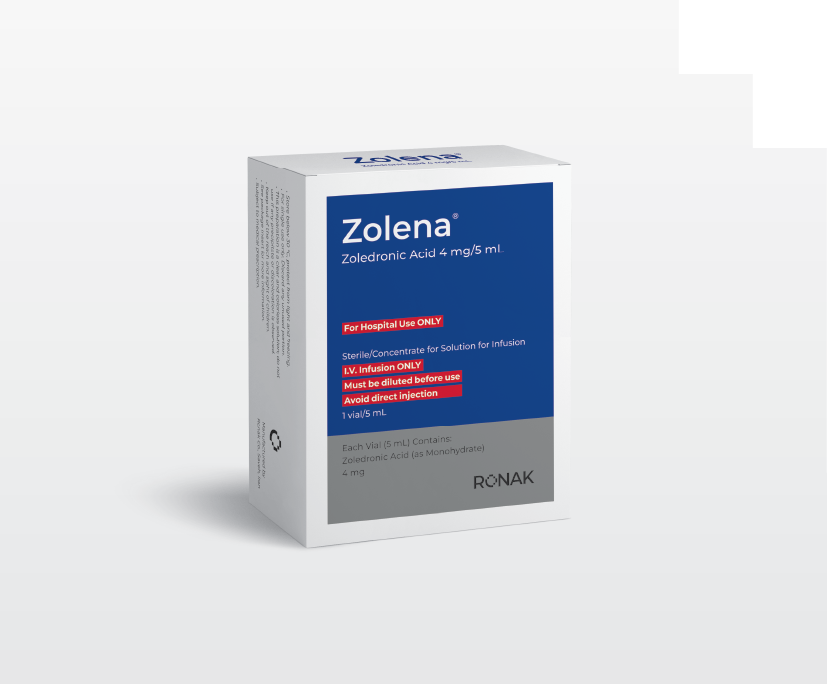


Zolena ®
Generic Name: Zoledronic Acid
Pharmaceutical Form: Concentrated solution for injection containing 4 mg of zoledronic acid in 5 mL
Therapeutic Class: Bisphosphonate Derivative
Indication: Zolena® is indicated for reducing bone resorption and preventing bone destruction.
Zolena® is a bisphosphonate medication indicated for the management of bone-related disorders. It inhibits osteoclast-mediated bone resorption by suppressing the activity of osteoclasts and their precursors, thereby reducing bone destruction. In addition, it lowers serum calcium and phosphate levels and enhances their elimination from the circulation.
- Bone metastases associated with solid tumors
- Cancer treatment-induced bone loss in patients with breast or prostate cancer
- Hypercalcemia of malignancy
- Multiple myeloma
Concentrated solution for injection containing 4 mg of zoledronic acid in 5 mL.
- Do not administer Zolena® as an undiluted solution.
- Zolena® may be diluted with one of the following solutions:
0.9% Sodium Chloride Injection
5% Dextrose Injection
- The diluted solution should be administered immediately after preparation.
- Prior to administration, the solution should be visually inspected for discoloration, clarity, and the presence of particulate matter.
- Do not mix or administer concomitantly with calcium-containing solutions or solutions containing divalent cations (e.g., Lactated Ringer's solution).
- Zolena® should be administered as an intravenous infusion over at least 15 minutes.
- Upon completion of the infusion, the intravenous line should be flushed with a minimum of 10 mL of normal saline.
- Zolena® should not be administered through the same infusion line used for other medicinal products.
- Patients should be adequately hydrated and receive sufficient fluid intake prior to administration.
The following parameters should be monitored during treatment with zoledronic acid:
- Serum creatinine and creatinine clearance
- Dental examinations
- Signs and symptoms suggestive of femoral fractures
- Musculoskeletal pain
- Serum electrolyte levels, including calcium, phosphate, and magnesium
- Serum vitamin D level
- Pregnancy status
- Hemoglobin and hematocrit levels
- Screening for hepatitis B infection
- Urinary albumin excretion
Zoledronic acid is contraindicated in patients with:
- Known hypersensitivity to zoledronic acid, other bisphosphonates (e.g., alendronate), or any component of the formulation
- Acute renal impairment or creatinine clearance less than 35 mL/min
- Hypocalcemia
- Pregnancy or breastfeeding
- During treatment, patients are advised to take daily calcium supplementation (500 mg) and a multivitamin containing 400 IU of vitamin D, as recommended by their healthcare provider.
- Patients experiencing severe bone, joint, or muscle pain during treatment should contact their physician promptly. Zoledronic acid should be used with caution in patients who have experienced severe musculoskeletal pain with previous bisphosphonate therapy.
- Whenever possible, invasive dental procedures should be avoided during treatment.
- Bisphosphonate therapy may increase the risk of osteonecrosis of the jaw, particularly in patients with the following risk factors:
Alcohol use disorder
Tobacco use
Anemia
Malignancy and anticancer therapies
Corticosteroid therapy
Diabetes mellitus
Long-term bisphosphonate use
High-dose intravenous bisphosphonate therapy
Autoimmune diseases
Oral surgery or dental trauma
Poor oral hygiene
Poorly fitting dental prostheses
Head and neck radiotherapy
- Zoledronic acid should be administered with caution in patients with aspirin-sensitive asthma.
- Patients should maintain adequate hydration throughout treatment. However, excessive fluid intake should be avoided, particularly in patients with heart failure.
- Different medicinal products containing zoledronic acid should not be administered concurrently to the same patient for different indications.
- Patients should seek immediate medical attention if they develop signs or symptoms of renal impairment, including decreased urine output, changes in urinary frequency or volume, hematuria, or rapid unexplained weight gain.
Zoledronic acid is not recommended for use during pregnancy or breastfeeding.
Like all medicines, zoledronic acid may cause adverse reactions, although not all patients will experience them. Reported side effects include:
- Dizziness, fatigue, and asthenia
- Gastrointestinal disturbances such as abdominal pain, nausea, vomiting, or diarrhea
- Hypotension
- Peripheral edema (lower limb swelling)
- Headache
- Influenza-like symptoms
- Alopecia
- Bone pain
- Pyrexia (fever)
Patients should consult their physician or pharmacist regarding the concomitant use of zoledronic acid with other medications or supplements.
Each package contains one vial of Zolena®.
- Store below 30°C, protected from light and moisture.
- The product may be used until the last day of the month stated on the expiry date. Do not use or store expired medication.
- Keep out of the sight and reach of children.
- Zoledronic Acid: Drug information, UpToDate 2025
- http://www.medicines.org.uk/emc/product/13761/smpc